
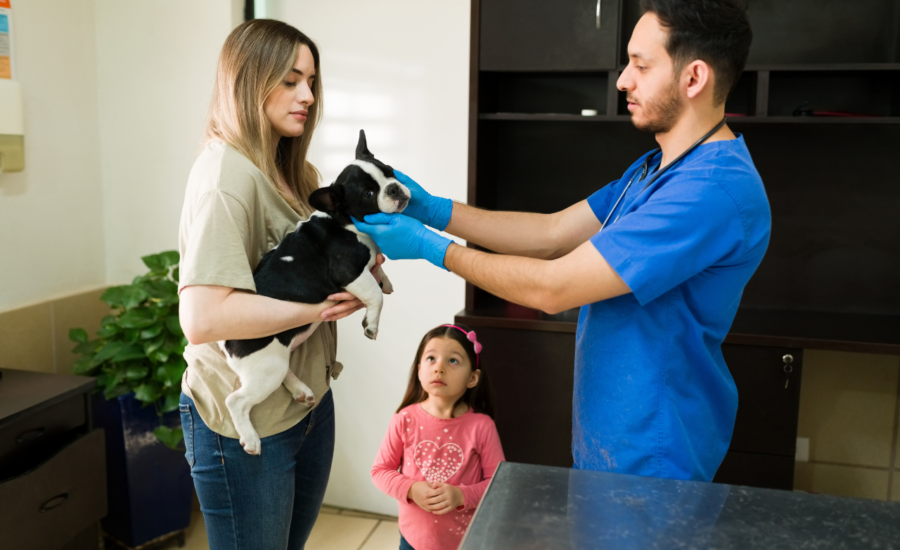
As your pet’s mom or dad, it is your job to recognize these signs early on, so you can take your pet to the vet before it becomes serious. If you have a cat or dog, understanding these signs can save you a lot of trouble in the future.
This is a helpful guide to the most common pet health warning signs, cat emergency symptoms, and a practical vet visit checklist so you can act in time and with certainty.
Why You Should Look for Signs Early
Looking for signs early can help:
- Keep issues that can currently be fixed from turning into something serious
- Factor in a lower cost for treatment
- Allow your furry pal to heal from the issue faster
- Keep your pet from feeling avoidable pain
Pets, and especially cats, often hide the feeling of pain they are in. Look out for the most subtle changes.
- General Pet Warning Signs of Illness
- Changes in Your Pet’s Appetite or Thirst
This can be a warning sign if your pet is:
- not eating or eats significantly less food
- is drinking an unreasonable amount of water
- is losing or gaining a lot of weight in a short time
Some serious issues this can indicate are diabetes, infections, or digestive issues.
- Lethargy or Low Energy It’s concerning when your active pet like a dog or cat suddenly begins exhibiting unusual behavior by becoming more exhausted, disconnected, or sleeps more than normal. This behavior could indicate various problems like:
– Infection emergency health issue
– Pain uncomfortable health issue
– Problems with organs
– Fever
- Vomiting or Diarrhea Vomiting and diarrhea by themselves are not unusual, however, when these two are put together you probably see a pattern. When these symptoms are consistent, they could indicate the following:
– Parasites
– Food intolerance abnormally large doses of unhealthy food
– Toxic ingestion negative extreme the body reacts to the food digestion take
– Gastrointestinal disease
It’s best to go to the vet when pets are ailing with vomiting or diarrhea fo more than a 24hr period.
- Breathing Problems Extreme warning signs entail with:
– rapidly or noisily breathing
– Your pet constantly coughing
– Your pet wheezing
– Your pet is panting
These signs indicate your pet might have asthma, heart problems, or even respiratory infection.
- Changes in the Skin, Coat, and Grooming Hair loss: If your pet has one of the following symptoms:
– itchy, scratchy
– redness
– bumps or wounds
– excessive licking
– a sore coating
These symptoms mean your pet has problems with their skin. Skin problems like these are often signs of allergies, parasites, or hormonal problems.
- Changes in Behavior Different types of unexpected behavior are:
– Hiding, especially in cat pets.
– Aggressiveness.
– Being overly Clingy.
– Being Unstable.
– Being Confused
These things could indicate your pet is hiding some pain, stress, or problems with their nerves.
- Difficulty Urinating or Defecating Straining to urinate is one of the most serious problems a pet can have.
– When your pet urinates and becomes more strained to do so,
– When there is extra crying.
– When blood is presence in your pet’s urine.
– When somebody or something is representing small attempts to pee and the attempts are frequent.
The possible concern is:
– Urinary blockages
– Infection
– Problems with the kidneys
Cat Emergency Signs You Should Never Ignore
Cats can hide their sickness pretty well. Look for:
– Sudden collapse or not being able to stand.
– Open mouth breathing. (This is always an emergency).
– Breathing too quickly or too slowly.
– Not eating for more than 24 hours.
– Straining to urinate (and passing little or no urine).
– Seizures.
– Unusual sleep and inactivity.
– Pale colored gums.
– Ongoing vomiting.
If you notice any of these signs, you need to contact a vet immediately.
When to Take Your Pet to the Vet
If your pet is experiencing:
– Some light, yet noticeable symptoms.
– Not eating as much as usual.
– Occasional vomiting.
– Limping.
– Small injuries or cuts.
– Sneezing or coughing.
You need to plan a vet visit. These are some examples of more serious symptoms and when to visit the vet right away:
– Struggling to breathe.
– Ongoing vomiting or diarrhea.
– Seeing blood in the urine or feces.
– Severe pain.
– Not urinating.
– Sudden change in their usual behavior.
Vet Visit Checklist: What to Prepare
When you’re in the vet’s waiting area, you can help diagnose your pet by bringing the right information. This helps your vet out too when diagnosing the pet.
Before the Appointment
- Make sure to note exactly when the symptoms began.
- Monitor any shifts in your pet’s appetite, the amount they drink, and any changes in behavior.
- If possible, provide pictures or videos of the symptoms (for example: vomiting, limping, or having difficulty breathing).
- Make a list of all the foods, treats, and medications your pet consumes.
- If we request a sample, please bring a sample of your pet’s stool and/or urine.
- Think of any recent travel, grooming, or interactions with other animals.
During the Vet Visit
- Just be honest and share the details as best as you can.
- Don’t hesitate to ask about your pet’s diagnosis and any treatment options.
- Always ask for follow-up instructions.
- Make sure to ask when to come back in if your pet’s symptoms are still puzzling.
Tips to Monitor Your Pet’s Health at Home
- Make sure to check your pet’s gums at least weekly. They should be a nice, healthy pink and moist.
- Make it a habit to check your pet’s weight often.
- Watch for changes in energy and behavior.
- Keep your pet’s vaccinations and parasite control current.
- Don’t forget to book a wellness exam for your pet at least once a year.
Conclusion
Knowing the warning signs of pet sickness can be extremely beneficial to the pet’s overall long-term wellness. So use all these tips to monitor some emergency symptoms, be ready to act swiftly, and have a checklist for your trip to the vet. Staying aware and acting quickly can truly be the thing to save your pet’s life.